Influencer Marketing in 2026: How Brands Turn Trust Into Real Performance
.avif)

Influencer marketing is no longer a “nice-to-have” add-on.
It has become one of the most powerful trust and performance levers in digital marketing.
Brands that still ignore it are quietly losing:
- Reach
- Credibility
- Market share
Often without realizing it.
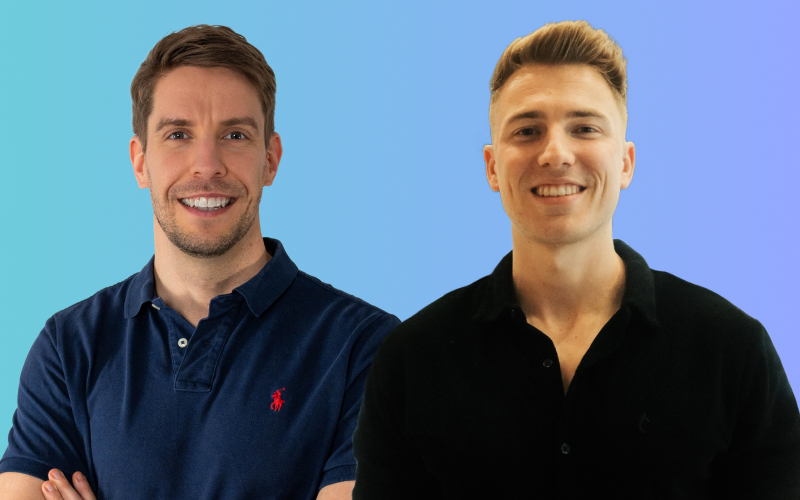
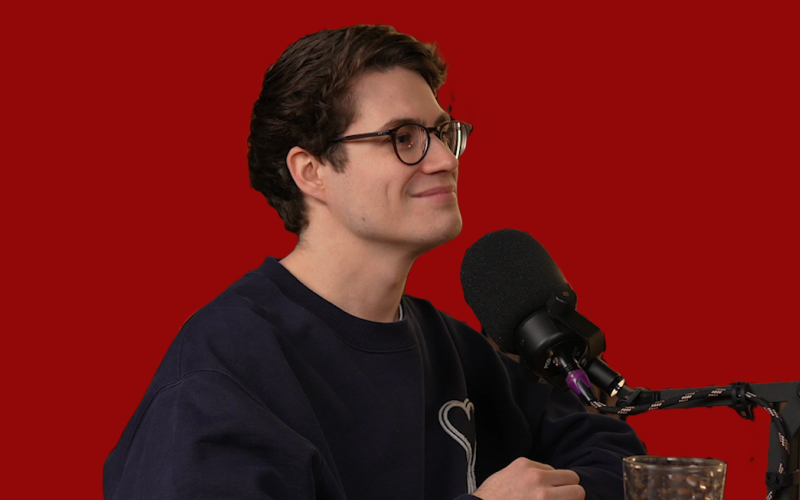
That’s exactly what the latest episode of the Ad Creative Insider Podcast dives into. In the episode, Moritz from Adspecialist explains how influencer marketing actually works and why most brands still misunderstand it completely.
Why Influencer Marketing Isn’t What Most Brands Think
Many brands still think influencer marketing looks like this:
Product in hand.
Discount code below.
Done.
That mindset is outdated.
Today, creators are not ad placements, they’re trusted voices with real influence over purchase decisions.
And not just for Gen Z.
Across Instagram, TikTok, YouTube, and Twitch, people follow people, not brands.
That’s the key difference:
- Influencer marketing doesn’t interrupt
- It builds trust before users ever enter your funnel
Done right, it influences buying decisions long before paid ads do.
When Influencer Marketing Actually Works
There’s one hard rule brands often overlook:
Influencer marketing only scales when your fundamentals are solid.
That means:
- Proven Meta or Google campaigns
- Clean tracking
- A clear hero product
- An offer that’s easy to communicate
Only then do creator partnerships really start to work — not as a replacement for paid media, but as a multiplier.
Many brands notice the impact indirectly:
- Brand search volume increases
- Paid social suddenly becomes more efficient
- Conversion rates improve without obvious changes
Creators warm up trust before the click happens.
Relevance Beats Reach: Choosing the Right Creators
One of the biggest mistakes brands make?
Selecting creators based on follower count.
What actually matters:
- Audience fit
- Community engagement
- Buying intent
A creator with 20,000 highly engaged followers can outperform a 300k account if their community trusts them and consumes content organically.
That’s why systematic creator analysis is critical not gut feeling.
Cheap Placements Are Often the Most Expensive
A $300 Story placement doesn’t automatically make it profitable.
In fact, it’s often the opposite.
A creator with:
- 3,000 views
…can be more expensive than one delivering:
- 100,000 views
- At three or five times the price
What really matters:
- CPM (cost per thousand impressions)
- Realistic reach
- Conversion potential
And whether the creator can authentically connect with your target audience.
That’s why brands should always request 30–90 day performance insights, identify outliers, and calculate realistic averages.
That’s the difference between a “nice post” and a profitable influencer setup.
YouTube, Instagram, Twitch: Each Platform Has a Job
Not every platform plays the same role in the funnel.
Understanding this is where real strategy begins.
- YouTube
Deep storytelling. Long-term impact. Conversions months later. - Instagram
Fast impulses, Stories, offers, and product launches. - TikTok
Reach, authenticity, and top-of-funnel awareness at scale. - Twitch
Live interaction, extreme community bonding, and often surprisingly high conversion rates.
Brands that understand these roles build systems, not one-off collaborations.
Attribution: How to Measure Influencer Marketing Properly
Influencer attribution is complex but ignoring it doesn’t make it easier.
Smart brands combine:
- Discount codes
- UTM links
- Post-purchase surveys
- Brand search analysis
The truth shows up in the overlap.
One insight appears again and again:
Influencer marketing often boosts other channels indirectly.
It acts as an invisible performance accelerator especially for paid social.
AI Influencers: Future or Just Hype?
AI influencers are no longer science fiction.
Brands are starting to use virtual creators as an addition, not a replacement.
As long as the content is:
- Relevant
- Entertaining
- Clearly labeled
…it’s accepted.
The core principle hasn’t changed:
People follow stories even digital ones.
What matters is value, clarity, and relevance.
Ohne eine klare Influencer-Strategie verschenkst du Reichweite, Vertrauen und Umsatz
Influencer Marketing ist heute einer der stärksten Kanäle, um:
- Vertrauen aufzubauen
- Neukunden vorzuqualifizieren
- Paid Social günstiger zu machen
- die eigene Marke langfristig zu stärken
Final Takeaway: Without Strategy, You Lose Trust and Revenue
Influencer marketing is now one of the strongest channels to:
- Build trust
- Pre-qualify new customers
- Lower paid social costs
- Strengthen your brand long-term
But it only works with structure and systems:
- Smart creator matching
- Realistic pricing logic
- Clear attribution models
- A long-term mindset
Without a clear influencer strategy, you’re not just missing reach
you’re leaving trust and revenue on the table.
Mehr Artikel
Hier findest du weitere hilfreiche Artikel.
.png)